
Building Codes and Standards Courses
Licensed architects need current code knowledge to make sound design decisions, support safe construction, and maintain clear documentation for renewal. Building codes and standards courses give professionals a practical way to review the rules that shape plan review, fire and life safety, construction requirements, compliance records, and project coordination.
For multidisciplinary firms, related architect training requirements can also affect how teams plan continuing education around code compliance. PDH-Pro offers online training built for engineers who need useful code education without slowing down their work. Courses cover topics such as the International Building Code, fire protection, construction code requirements, compliance documentation, and certificates of completion for renewal records.
The goal is simple: help engineers understand current requirements, apply them with confidence, and keep organized records for state board review.
Whether you work on commercial buildings, public infrastructure, structural systems, fire protection, or facility upgrades, code training supports better judgment in the field. It also helps reduce delays caused by incomplete documentation, missed local amendments, or outdated interpretations. With self-paced access and instant certificates, PDH-Pro makes continuing education easier to manage around project schedules and renewal deadlines.
Why Building Codes Matter in Architectural Practice
Building codes give architects a shared framework for designing, reviewing, and documenting safe buildings. They set minimum requirements for structural performance, occupancy, egress, fire protection, accessibility, materials, and other parts of the built environment. While every project has its own context, codes create a baseline that supports consistent safety across jurisdictions.
For architects, the code is not only a reference book. It affects decisions from early design through final inspection.
A structural engineer may review load paths and material requirements.
A civil engineer may coordinate site access, drainage, or public safety considerations.
A fire protection engineer may evaluate alarms, sprinklers, smoke control, and life safety systems.
Each discipline relies on clear code interpretation.
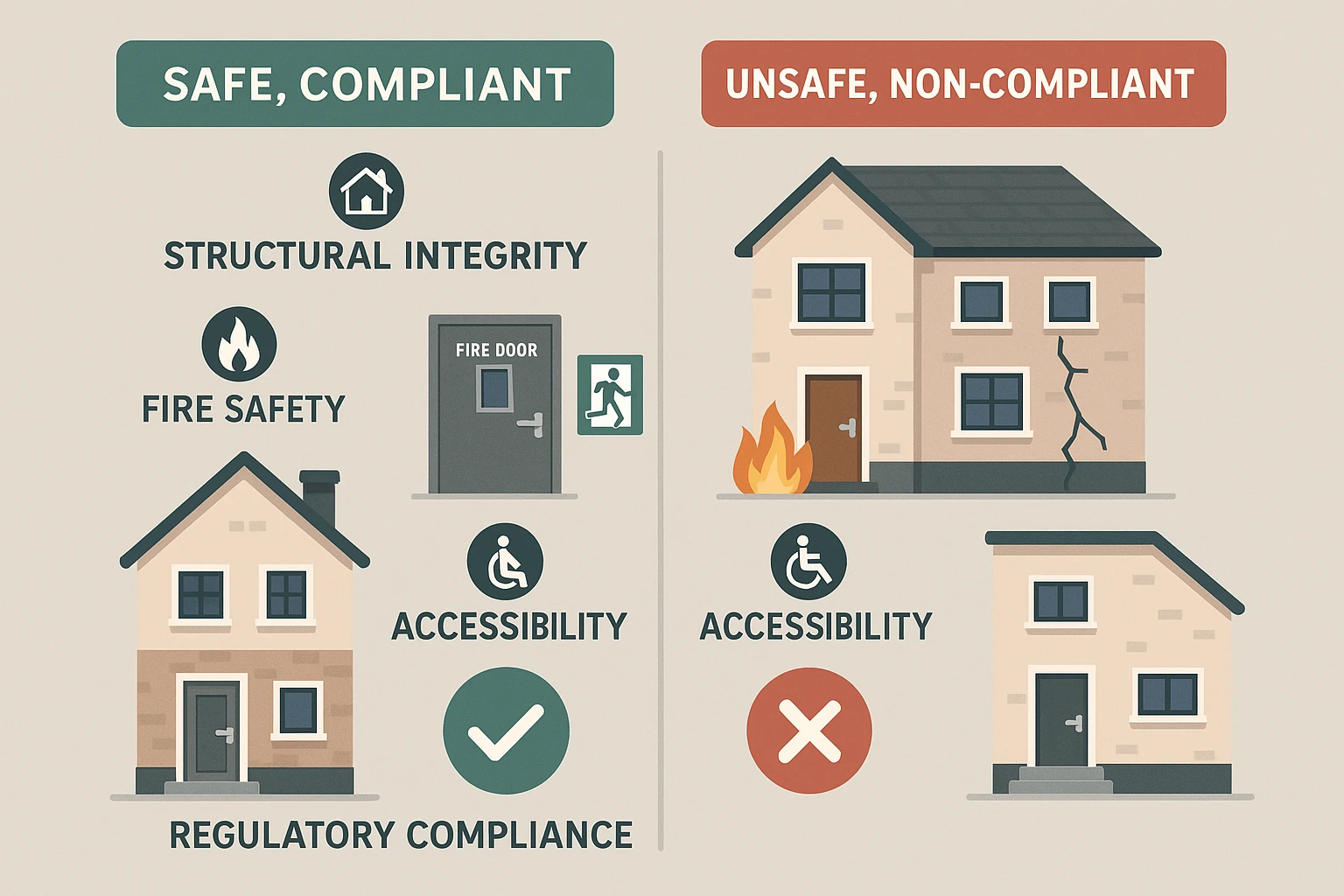
Code development also changes over time. New editions respond to lessons from the field, advances in materials, construction methods, hazard research, and public safety needs. Engineers who rely on outdated information can miss revised requirements or enforcement expectations.
Strong code knowledge helps engineers:
- Identify applicable requirements early in design
- Communicate clearly with owners, architects, contractors, and code officials
- Reduce plan review comments and avoid preventable revisions
- Support public safety through better documentation and design decisions
- Maintain useful records for audits, inspections, and license renewal
PDH-Pro’s courses are written for professionals who need usable knowledge, not vague theory. The material connects code language to real engineering work so learners can apply concepts on active projects.
International Building Code Training and Core Code Topics
The International Building Code is widely used across the United States, often with state or local amendments. It gives engineers, designers, inspectors, and code officials a common structure for evaluating building safety. Many jurisdictions base their building code requirements on the IBC, which makes it an important topic for engineers who work across city, county, or state lines.
International building code training courses often cover how the code is organized, how occupancy and construction types affect requirements, and how different chapters interact. Engineers also need to understand when a requirement applies directly, when another referenced standard controls, and when local amendments change the answer.
Common course topics include the following:
| Code Topic | What Engineers Learn | Why It Matters |
| Occupancy classification | How building use affects code requirements | Supports correct design assumptions and plan review |
| Construction type | How materials and fire resistance affect building limits | Helps engineers evaluate allowable height, area, and protection |
| Means of egress | How occupants exit safely during emergencies | Supports life safety and coordinated design |
| Fire protection systems | How alarms, sprinklers, and rated assemblies work with the code | Reduces risk and supports fire code compliance |
| Accessibility | How design must support safe and usable access | Helps projects meet legal and public safety expectations |
| Structural provisions | How code requirements connect to loads, materials, and referenced standards | Supports safe engineering design and documentation |
Certification may also be part of a professional’s career path, especially for those who work closely with inspection, plan review, or code administration. While PE continuing education and ICC certification training serve different purposes, they both rely on accurate code knowledge. Engineers should confirm which courses apply to their specific license renewal rules and professional goals.
PDH-Pro focuses on continuing education for architects. Course content is designed to help professionals understand current code concepts, document completed PDH hours, and keep records that can support renewal or audit requests.
Codes Training Formats for Busy Licensed Professionals
Architects often need continuing education that fits between deadlines, client meetings, site visits, and renewal paperwork. Online codes training gives professionals a practical way to complete required hours while staying focused on topics that affect their work.
PDH-Pro offers self-paced courses that allow engineers to study when their schedule allows. This format works well for professionals who want to review dense code topics without sitting through a fixed class time. Learners can move through course material, revisit harder concepts, and download certificates after successful completion.
Some architects prefer live or webinar-style learning when a topic benefits from instructor explanation. Others want independent training that can be completed during travel, evenings, or slower project windows. The right format depends on the learner’s schedule, state requirements, and comfort with code material.
When comparing educational programs, architects should look beyond the course title. A useful training program should explain how the code applies to practice, not simply repeat definitions. It should also provide clean documentation for license records. For teams balancing code training with BIM, CAD, or modeling changes, related software update training can help keep design workflows current.
Good codes training usually includes:
- Clear learning objectives tied to engineering practice
- Current references to building codes, fire codes, and related standards
- Practical application examples, not only abstract code language
- Accessible course records and completion certificates
- Content that supports state board continuing education needs
Some providers, including RedVector’s building codes training, offer broad course libraries. PDH-Pro’s value is its focus on architects and architectural license renewal. Courses are built to support practical learning, straightforward documentation, and PDH credit that aligns with state engineering board requirements, with architects responsible for confirming their own state rules.
For architects who manage multiple licenses, organized training records matter. A course certificate should be easy to save, print, and submit when needed. PDH-Pro’s instant certificates help reduce the stress that often comes with renewal season.
Balancing International Code Standards with State and Local Rules
The international code creates a common starting point, but engineers still need to account for local adoption and amendments. A city, county, or state may use a specific edition of the International Building Code and then modify parts of it. Local authorities may also enforce additional rules based on climate, seismic risk, flood exposure, fire risk, accessibility, or administrative policy.
This is where practical judgment matters. An architect may understand the model code but still need to verify the adopted edition, local amendments, permitting process, and enforcement expectations. For example, a project in a jurisdiction using the Minnesota State Building Code may require careful review of state-specific provisions rather than relying only on the model IBC text.
State and local rules can affect:
- Which code edition applies to a project
- Whether local amendments change design assumptions
- How fire codes interact with building design
- What documentation must be submitted for review
- Which professionals must sign or seal project documents
- How inspectors or plan reviewers interpret specific requirements
Code conflicts can happen when project teams assume one standard applies without checking local adoption. A design that appears compliant under a model code may still need revision under a state amendment or local policy. Engineers can reduce risk by confirming requirements early and keeping clear documentation of the code basis for design.
Architects working on sustainable roof systems may also benefit from green roof design training when code compliance intersects with stormwater, structural loading, and envelope performance. PDH-Pro courses help engineers build habits that support better compliance. That includes reading code sections in context, checking referenced standards, identifying local amendments, and documenting decisions in a way that can be reviewed later. These habits are useful in design meetings, plan review responses, inspection coordination, and renewal documentation.
Fire, Life Safety, and Documentation for License Renewal
Fire and life safety topics are a major part of building code education. Architects need to understand how fire protection systems, egress routes, rated assemblies, occupancy classifications, and hazard controls work together. These issues affect building users directly, so they require careful attention during design and review.
NFPA standards often work alongside building codes and fire codes. Depending on the project, engineers may need to account for sprinkler design, fire alarm systems, smoke control, emergency lighting, hazardous materials, or special occupancy rules. A course that connects these requirements to real project scenarios can help engineers make better decisions and communicate more clearly with other professionals.
Fire protection and life safety training may support engineers who work on:
- Commercial building design and renovation
- Industrial facilities and storage areas
- Educational, healthcare, or assembly occupancies
- Mixed-use buildings with complex egress needs
- Fire-rated construction and compartmentation
- Code review, facility assessment, or owner representation
Good documentation is just as important as technical knowledge. State boards may ask engineers to show proof of completed continuing education. Employers, clients, or public agencies may also expect clear records showing that professionals stayed current with code-related topics.
PDH-Pro helps simplify that process with online access and immediate certificates after course completion. Architects can keep certificates with renewal files, project records, or professional development logs. This reduces last-minute searching when a renewal deadline or audit request arrives.
Courses tied to building code, construction code, fire safety, and related standards can also help architects choose PDH hours that are relevant to their daily work. Instead of completing random credits, professionals can use continuing education to strengthen the knowledge they already need in practice.
Keep Your Code Knowledge Current with PDH-Pro
Building code requirements will keep changing as construction methods, safety research, materials, and public expectations evolve. Engineers who stay current are better prepared to make sound decisions, respond to reviewers, support safe design, and maintain clean renewal records.
PDH-Pro gives licensed architects a practical way to complete building code and standards training online. Courses are built for busy professionals who need clear instruction, flexible access, and fast documentation. From International Building Code topics to fire and life safety, code compliance, and renewal-focused PDH learning, the course library supports engineers who want education they can use.
When renewal deadlines approach, having the right training records matters. PDH-Pro makes it easier to complete relevant PDH courses, download certificates, and stay organized. Choose courses that match your discipline, your state requirements, and the code issues you face in practice.
Build your next renewal plan with PDH-Pro and keep your code knowledge ready for the projects ahead.