Continuing Education for Design Software Updates
Design work changes quickly as platforms, workflows, codes, and project delivery methods evolve. For licensed architects, continuing education for design software updates can help keep technical knowledge current while supporting professional development and license renewal, including courses related to engineering design, codes, ethics, project work, and technical practice.
Professionals who also support architecture-focused project teams may need architecture-focused continuing education that aligns with design responsibilities and renewal planning. The best continuing education software should do two jobs well. It should make relevant courses easy to find, and it should help you document completed credits without adding another administrative burden to your schedule. PDH-Pro supports that need with online architectural PDH courses, self-paced learning options, live and on-demand webinars, instant certificate access, and training built for busy architects.
Why Design Professionals Need Current Education Programs
Design tools are no longer limited to drafting, modeling, or documentation. Many platforms now connect design decisions to cost estimating, energy performance, coordination, construction sequencing, data management, and long-term asset planning. When these tools update, the impact can reach far beyond the screen.
A small change in a design application can affect file compatibility, collaboration workflows, drawing standards, deliverable formats, and review procedures. Professionals who don’t keep up may lose time troubleshooting avoidable issues or miss better ways to complete familiar tasks.
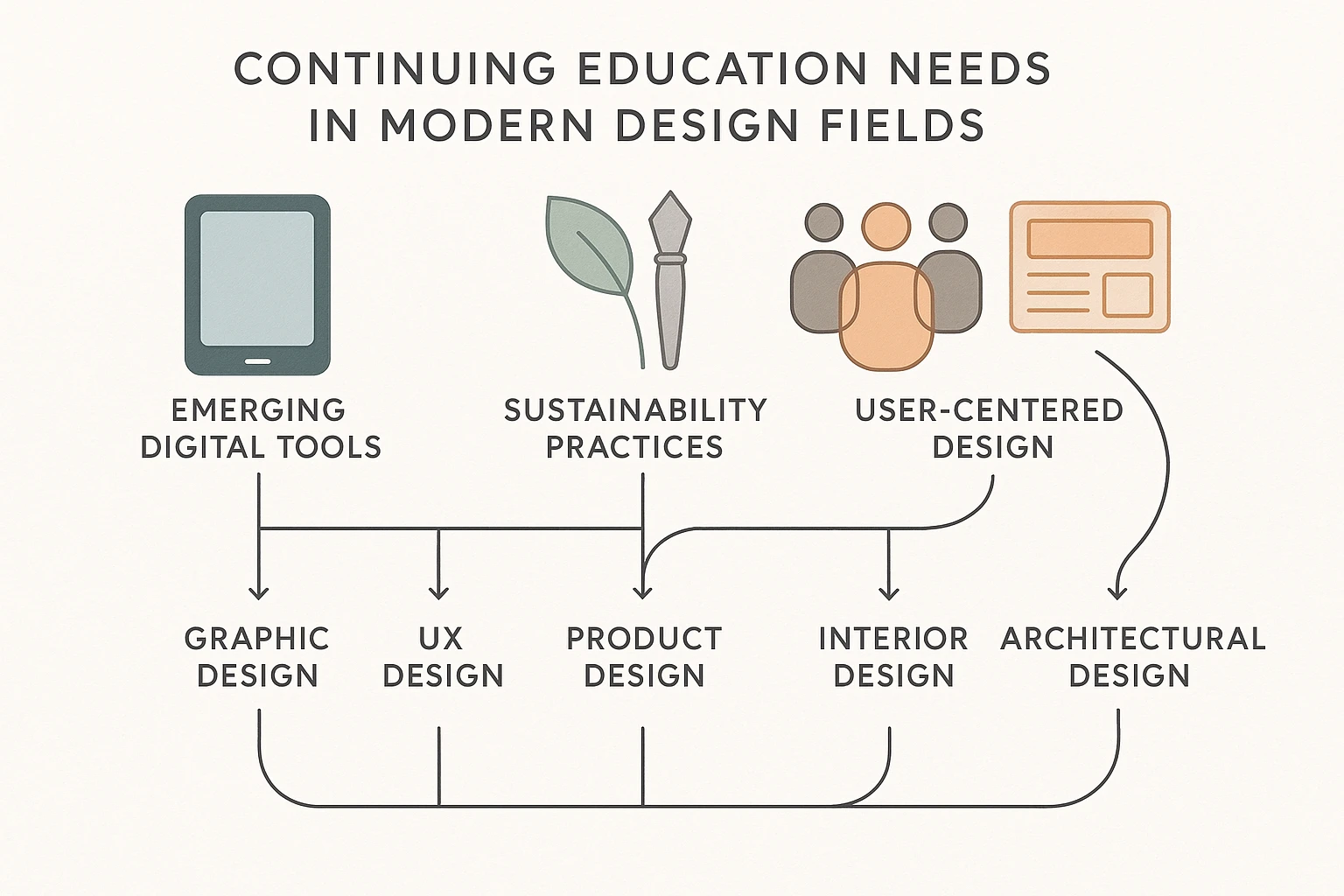
Education programs help close that gap. They give engineers and design professionals a structured way to stay current without relying only on trial and error. A strong program can help with:
● Understanding new features in design platforms and technical applications
● Reviewing updated workflows for modeling, documentation, and project coordination
● Strengthening applied skills that support accuracy, speed, and consistency
● Meeting continuing education requirements for license renewal
● Keeping certificates and course records organized for reporting or audits
The right training also helps professionals choose which updates matter. Not every new tool, feature, or workflow deserves the same amount of attention. Course-based learning can separate useful changes from noise so engineers can focus on methods that improve real project outcomes.
What to Look for in Education Software and Learning Management
Good education software should be simple to use, but it also needs depth behind the interface. Architects and design professionals often have limited time for training, so the platform should make course selection, enrollment, completion, and certificate access straightforward.
A clear course library matters. Professionals should be able to identify topics that match their discipline, licensing needs, and skill goals without sorting through unrelated material. Training should also be available on demand, since project deadlines rarely leave room for fixed classroom schedules.
Certificate handling is another major factor. A course may be useful, but if proof of completion is hard to locate later, renewal becomes harder than it needs to be. A reliable platform keeps certificates accessible and helps users maintain a record of completed courses.
| Feature | Why It Matters for Design Professionals |
| Self-paced access | Lets users complete courses around deadlines, site visits, travel, and client meetings |
| Relevant course topics | Helps professionals focus on design tools, technical workflows, standards, and applied skills |
| Instant certificates | Reduces renewal paperwork and makes documentation easier to retrieve |
| Clear course details | Shows credit value, topic focus, and completion expectations before enrollment |
| Board-focused documentation | Supports compliance when professionals need records for state renewal or audits |
| Easy navigation | Saves time and lowers friction from course selection through completion |
PDH-Pro is built around these needs. The platform gives engineers access to online courses that support professional development and renewal requirements while keeping the learning process manageable. Instead of forcing professionals through a complicated system, it helps them move from course selection to completion with fewer steps.
License renewal can become stressful when course records are scattered across inboxes, folders, and old downloads. A learning management system helps by keeping coursework and documentation in one place.
For licensed professionals, this matters because renewal requirements vary by state and discipline. Some boards require specific subject areas, ethics hours, documentation standards, or reporting details. Engineers need a process that helps them stay organized across the full renewal cycle, not only in the week before a deadline.
A strong learning management setup supports license renewal by making it easier to:
● Track completed courses and credit hours
● Store certificates for future access
● Review course descriptions and completion dates
● Plan remaining education before renewal deadlines
● Maintain organized records in case of an audit
This type of structure gives professionals better control over their education history. It also reduces the risk of scrambling for missing documentation when renewal time arrives.
PDH-Pro’s online format supports engineers who need credible training without losing time to unnecessary steps. Courses can be completed at a pace that fits the user’s schedule, and certificates are available after course completion. That makes the platform useful for professionals balancing design work, client demands, field responsibilities, and state board requirements.
Applying Structured Technical Learning to Professional Growth
Structured technical learning helps architects approach recurring design, analysis, documentation, and compliance tasks with better organization. Patterns in professional practice often show up through repeated workflows, standard procedures, design checks, quality control steps, and documentation methods. When engineers understand those patterns, they can work with better consistency and adapt faster when project needs change.
For architects working with digital design tools, this mindset can be useful when evaluating processes, templates, standards, automation, and project delivery methods. A well-organized workflow often depends on repeatable decisions. When professionals understand the pattern behind a process, they can adapt it more confidently when project conditions change.
Training related to engineering design and technical practice can help professionals better understand current standards, methods, and project responsibilities.
Many architectural workflows rely on:
● Organized data
● Standard calculations
● Shared documentation practices
● Repeatable review steps
These systems reward users who understand structure, dependencies, and practical decision-making.
Continuing education can support that learning by linking technical concepts to practical work. A course may address how updated standards, design methods, ethics rules, or project requirements affect daily engineering decisions. Professionals who work closely with architects may also review common architect CEU subject areas to understand adjacent design education needs. The value comes from connecting the concept to a task the professional already performs.
For example, an architect who understands reusable templates and standardized workflows may be better prepared to maintain consistency across project teams. A professional who understands how documentation and review procedures support compliance may be better equipped to identify conflicts, manage updates, and reduce rework.
Architectural continuing education should not feel abstract. The best courses make the connection between the topic and the work clear. That is where PDH-Pro’s engineering course structure fits well for architects who want continuing education that supports renewal and practical technical development.
Keeping up with Design Software Updates Online
Architectural practice changes can be helpful, disruptive, or both. A new code update, design standard, project delivery process, or technical method may improve outcomes, but it may also require professionals to adjust familiar workflows. Without training, engineers may spend valuable time learning through mistakes.
Online courses help reduce that friction. They give professionals a focused way to review changes and understand how new requirements or methods apply to their work. Instead of pausing a project to figure out a new workflow, users can learn in a structured setting and return to their tasks with more confidence.
Engineering practice changes can affect several areas of daily work, including:
● Design standards
● Code requirements
● Technical documentation
● Project coordination
● Ethics obligations
● Discipline-specific methods
For many architects, professional development may involve technical design methods, analysis concepts, codes, safety practices, project management, ethics, and other discipline-specific topics.
Flexible online learning is especially useful because professional development needs don’t always match renewal deadlines. A professional may need training after a code change, before starting a new project, or when moving into a different role. Self-paced courses make it easier to learn when the need appears.
PDH-Pro’s online course format supports that rhythm. Professionals can select relevant courses, complete them without attending live sessions, and receive documentation after completion. The process is designed for people who need education that works with real schedules.
This approach also supports long-term growth. Small, steady learning efforts can be easier to manage than waiting until a license renewal deadline is near. A few well-chosen courses throughout the cycle can help professionals stay current while keeping compliance work under control.
Choosing Training That Matches Your Discipline
Not every architects needs the same training. Civil, mechanical, structural, electrical, environmental, and other professional engineers may have different continuing education needs based on their discipline, state requirements, and project responsibilities.
A civil engineer may prioritize site design workflows, stormwater tools, transportation design methods, or plan production standards. A structural professional may focus on analysis software, modeling coordination, and code-related design updates. A mechanical or electrical engineer may need training tied to systems design, energy performance, or coordination across building models.
This is why course relevance matters. Generic technology training may provide broad awareness, but discipline-focused education helps professionals apply what they learn faster. A useful course should connect the topic to real decisions, deliverables, and responsibilities.
Professionals choosing a program should think about three questions.
Does the course support my license renewal needs?
Does it relate to the work I do now?
Will it help me adapt to the tools or workflows I expect to use next?
PDH-Pro supports that decision-making process through an architectural course library with self-directed courses, live webinars, on-demand training, and state-focused renewal resources. Users can choose training that fits their renewal needs while also supporting technical skill development. That balance helps make continuing education feel less like a rushed requirement and more like a practical investment in better work.
Build a Smarter Renewal Routine with PDH-Pro
Continuing education works best when it’s planned, relevant, and easy to document. For design professionals managing software updates, technical workflows, and renewal deadlines, the right platform can save time while supporting better day-to-day performance.
PDH-Pro gives architects a flexible way to complete online courses, earn credits, and access certificates without disrupting project work. Whether you need training tied to applied architecture topics, ethics, technical practice, live webinars, on-demand courses, or professional renewal, PDH-Pro helps keep the process clear and manageable.
Choose courses that match your discipline, complete them on your schedule, and keep your documentation ready when renewal time arrives. PDH-Pro makes professional education easier to manage so you can stay focused on your work, your clients, and your license.