
Course Full With Both Sidebar
Condimentum Cursus Lorem Parturient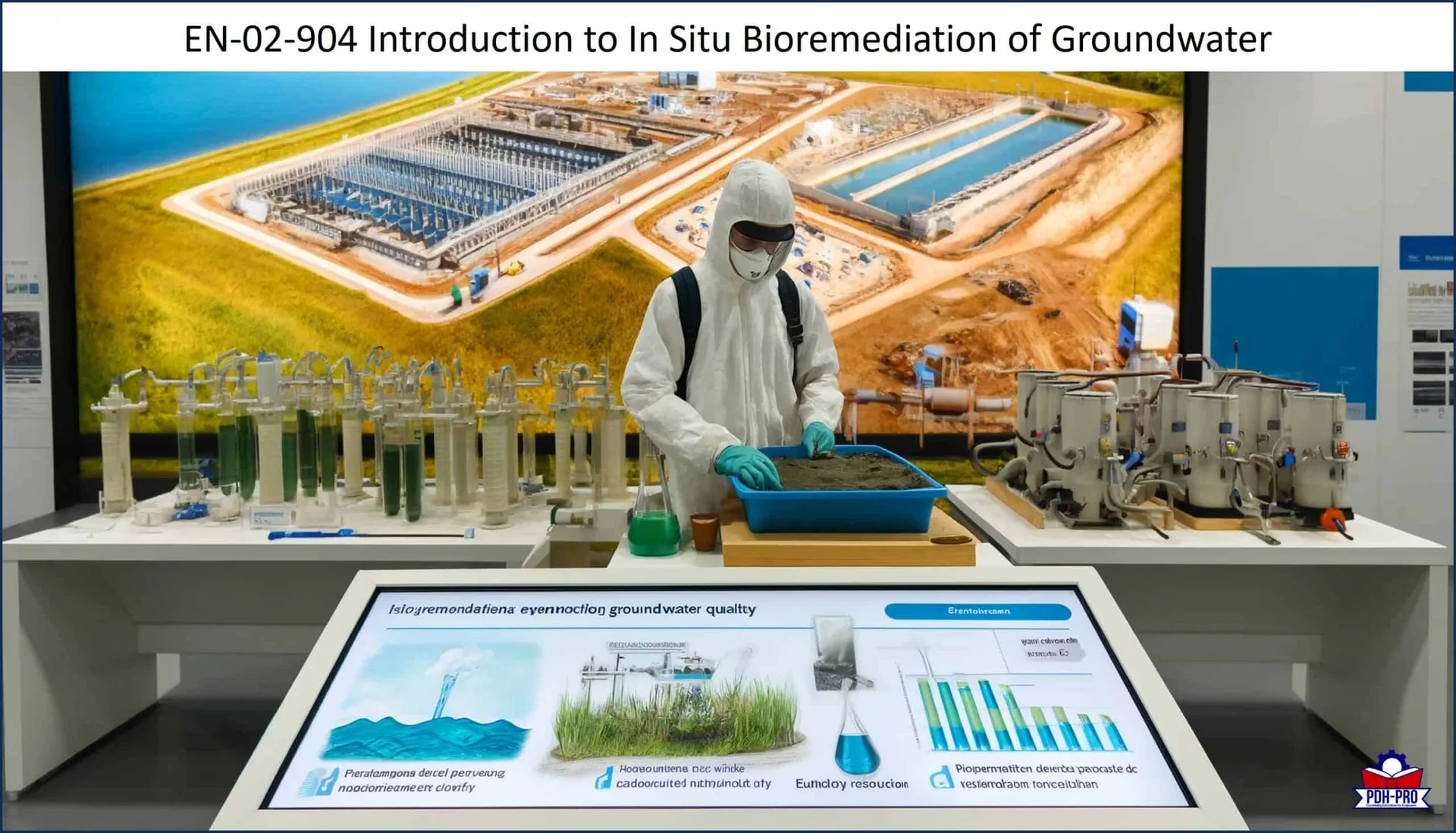
InstructorPDH Pro Staff
TypeOnline Course
Price$36
Introduction to In Situ Bioremediation of Groundwater
Introduction to In Situ Bioremediation of Groundwater This course is an introduction to in situ bioremediation of groundwater and is intended to provide a reference on in situ groundwater bioremediation to designers and practitioners. In situ bioremediation (ISB) of groundwater involves the encouragement of indigenous bacterial populations to metabolize target contaminants through the addition of... Learn More

InstructorPDH Pro Staff
TypeOnline Course
Price$48
LNAPL Transport and Fate in the Subsurface
LNAPL Transport and Fate in the Subsurface This course presents best-practice guidance for the assessment and remediation of light non-aqueous phase liquids (LNAPLs) in the subsurface. LNAPLs notably include fuels and oils, and are amongst the most commonly encountered organic contaminants in the subsurface environment due to their ubiquitous use, accidental release and, poor management.... Learn More
InstructorPDH Pro Staff
TypeOnline Course
Price$36
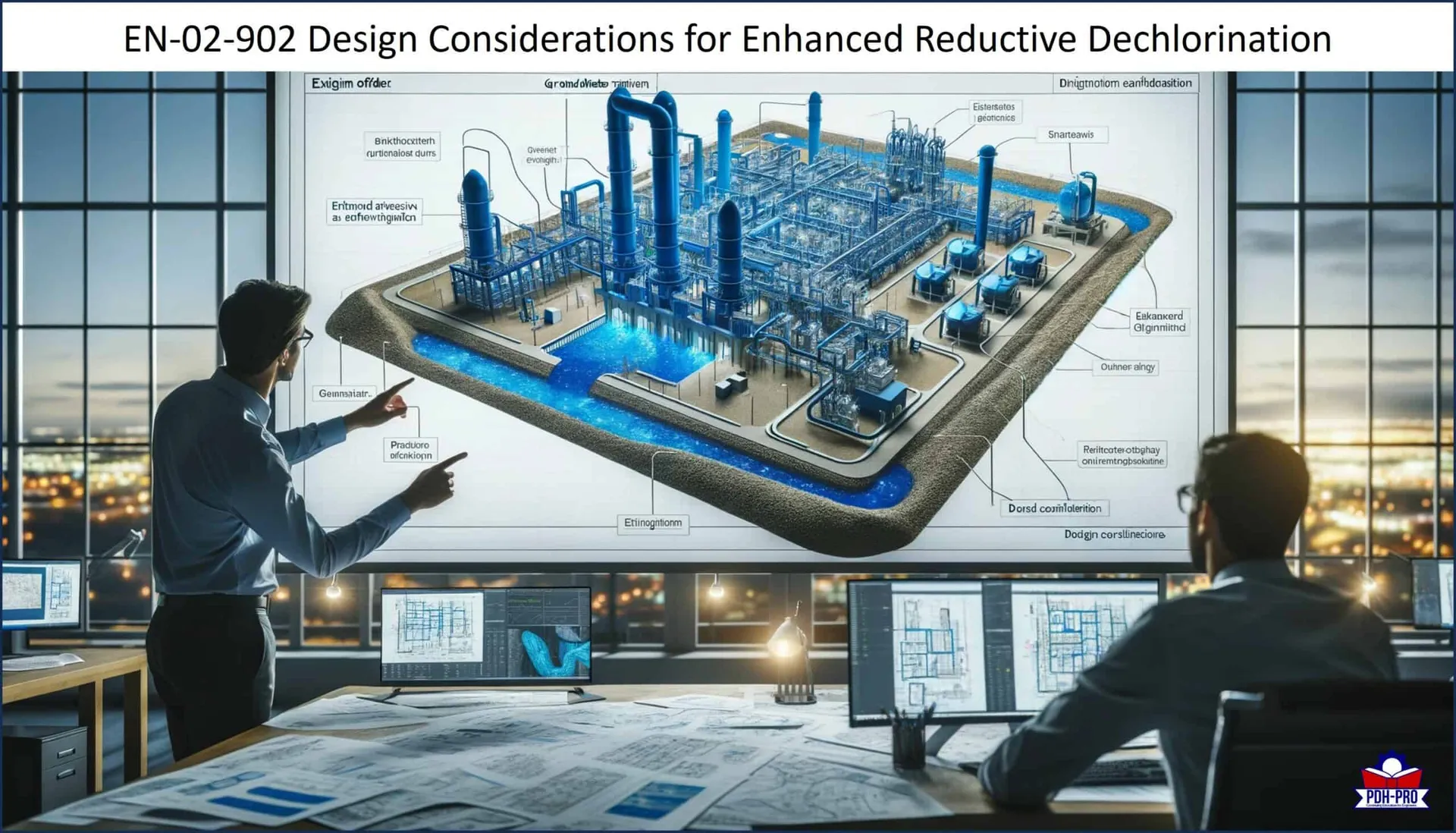
Design Considerations for Enhanced Reductive Dechlorination
Design Considerations for Enhanced Reductive Dechlorination Chlorinated solvents in groundwater remain a key issue at contaminated sites, and enhanced reductive dechlorination (ERD) is a frequently selected remedy for treatment of these solvents. This course provides a framework for preparing design submittals for ERD systems, including a summary of best practices for bioremediation design, tips for... Learn More
InstructorPDH Pro Staff
TypeOnline Course
Price$48
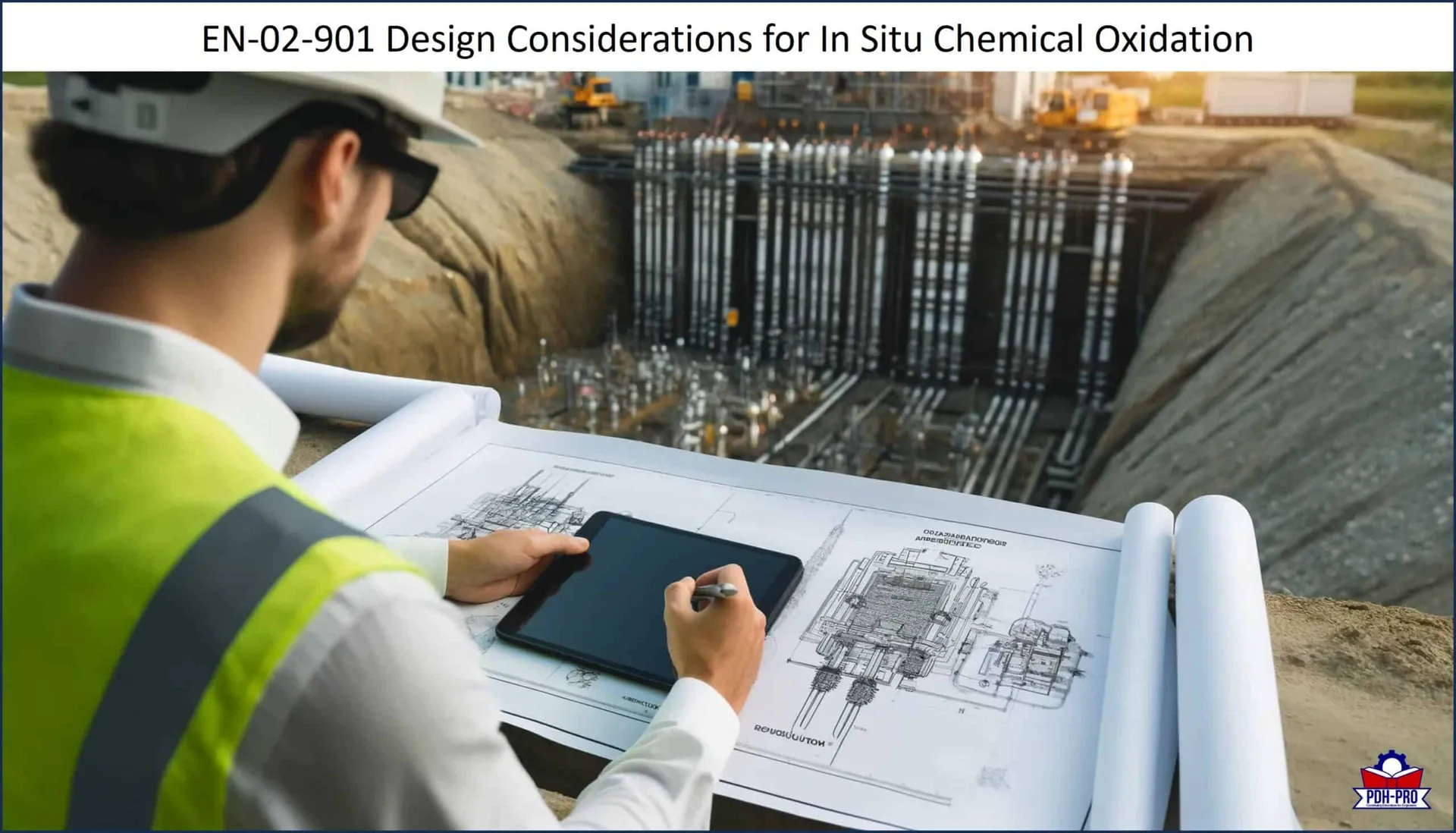
Design Considerations for In Situ Chemical Oxidation
Design Considerations for In Situ Chemical Oxidation Most in situ remediation systems including in situ chemical oxidation (ISCO) are less mature than ex situ remediation systems (e.g., pump and treat) and other conventional environmental systems (e.g., wastewater treatment systems); therefore, design information, formats, and standards for in situ remediation systems are generally not as readily... Learn More
InstructorPDH Pro Staff
TypeOnline Course
Price$24
LNAPL Site Management
LNAPL Site Management Light Non-aqueous Phase Liquid (LNAPL) contaminated sites can be very challenging to assess, remediate, and ultimately close out due to both technical and regulatory issues. Therefore, it is essential to develop a strategic action plan early in the process to establish goals, specify a remedy, and chart a clear course to achieve... Learn More